TechnologyMar 15, 2025
The Future of Portable Power: 5 Key Trends
Portable power is evolving fast. From hydrogen fuel cells to solid-state batteries, here are five trends shaping the next decade.
5 min read
Portable Power Is Entering Its Most Disruptive Decade
The portable power market has relied on the same fundamental technologies for decades: lead-acid batteries, lithium-ion batteries, and small combustion generators. That era is ending. Five converging trends are reshaping how organizations power operations in the field, on the move, and off the grid.
These trends matter most to defence procurement, critical infrastructure operators, and emergency management agencies that depend on portable power for mission-critical applications.
Trend 1: Hydrogen Fuel Cells Go Mainstream
Hydrogen fuel cells have moved from laboratory curiosity to field-ready technology. The transition accelerated over the past five years as PEM fuel cell costs dropped 60%, reliability reached military standards, and hydrogen storage solutions matured.
What Changed
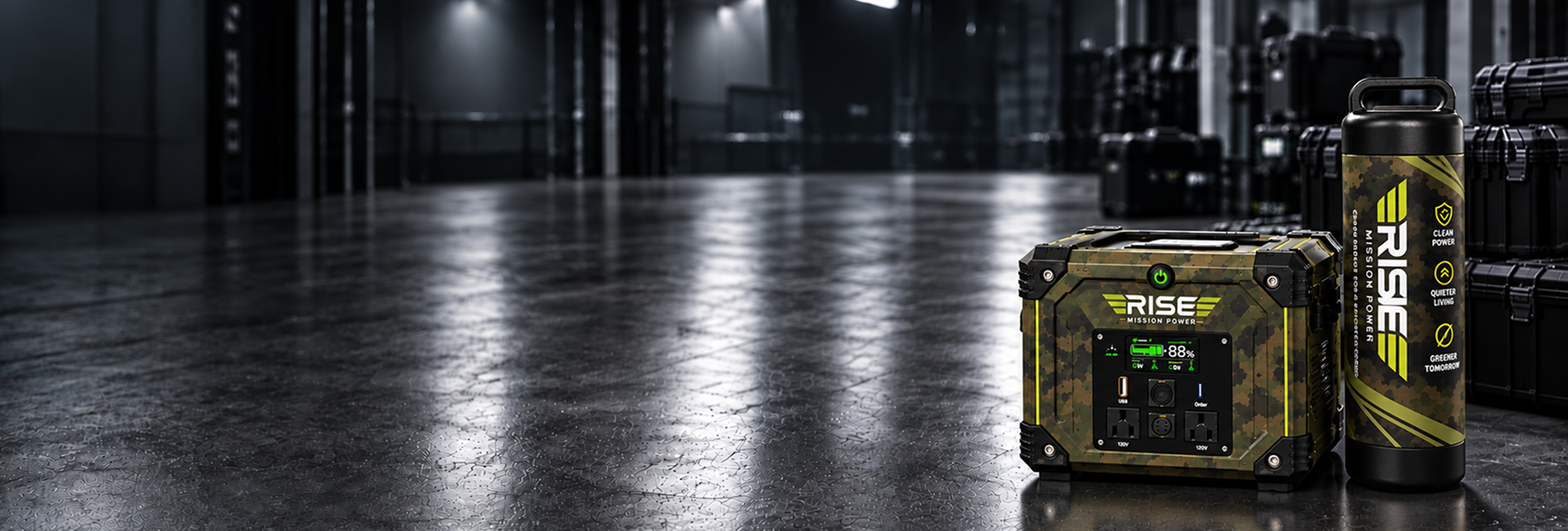
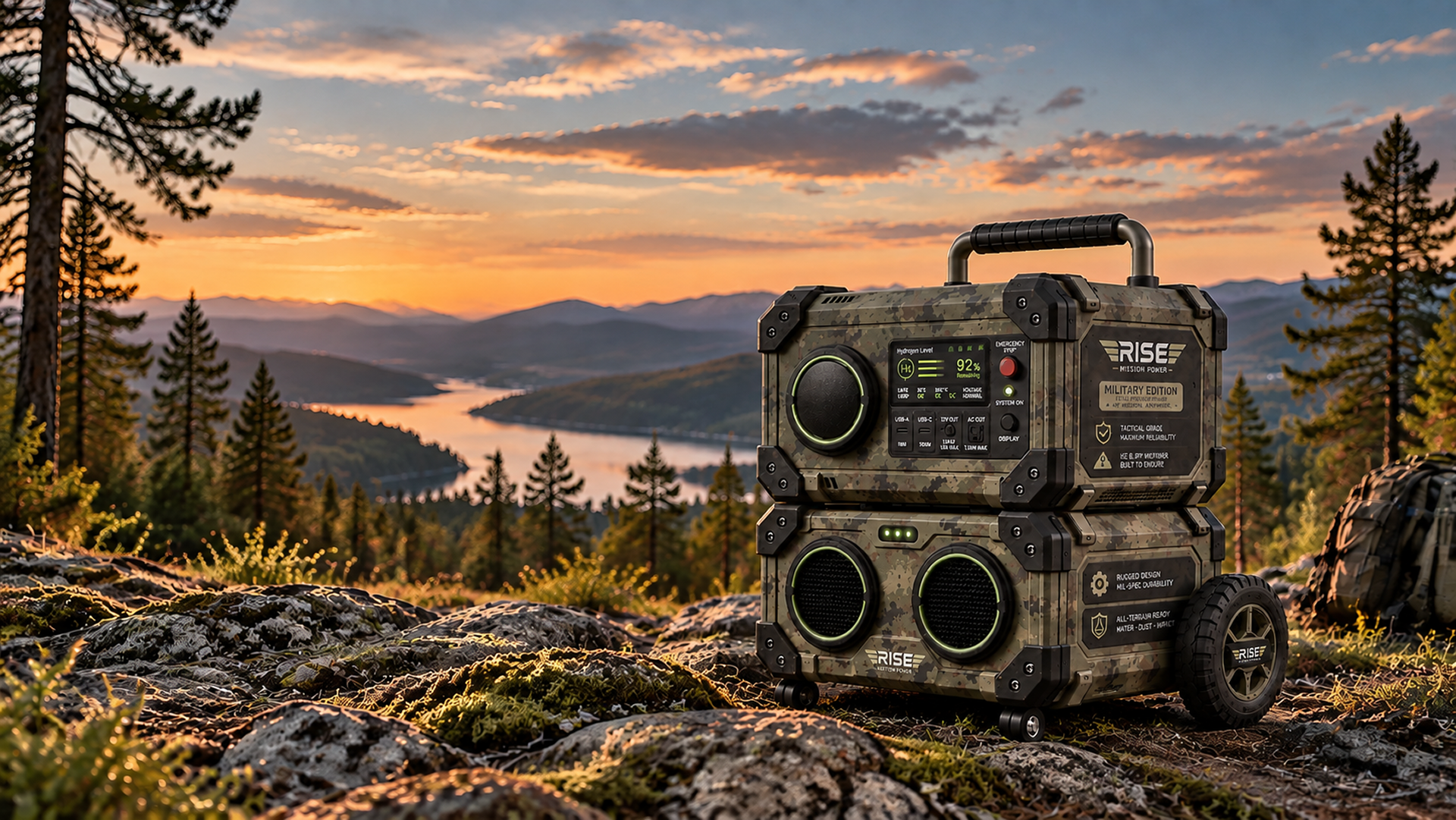
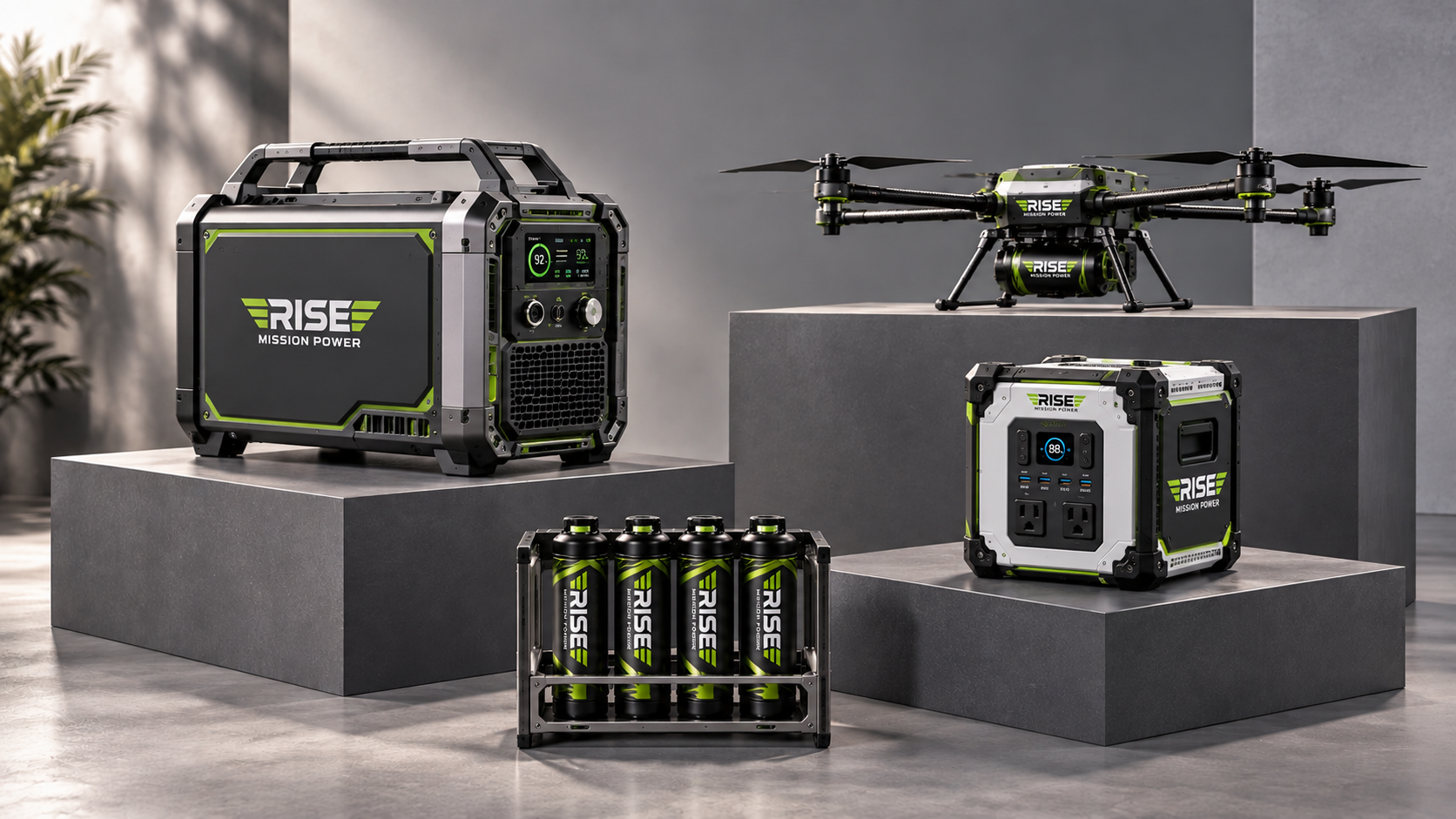
Rise Power's product line exemplifies this maturation. The Rise-Sentinel delivers lightweight, man-portable hydrogen power with extended runtime via cartridge swap. The Rise-Falcon extends drone endurance by 5x. The Rise-Titan provides 1.5 kW zero-emission generation in extreme conditions.
Over the next decade, expect fuel cell costs to continue declining, power density to increase, and hydrogen logistics infrastructure to expand globally.
Trend 2: Solid-State Batteries Challenge Lithium-Ion
Solid-state batteries replace the liquid electrolyte in lithium-ion cells with a solid material. The potential benefits are significant:
Fuel Cell vs Solid-State Battery: Different Strengths
The two technologies are more complementary than competitive. Fuel cells excel at sustained power delivery. Batteries excel at peak power bursts. Hybrid systems combining both will dominate the next decade.
Trend 3: Distributed and Networked Power
The centralized generator model (one big generator powering everything through cable runs) is giving way to distributed architectures. Multiple smaller power sources networked together offer resilience, flexibility, and operational advantages.
Why Distributed Power Wins
Smart power management systems coordinate distributed generators, batteries, and solar panels into microgrids that optimize efficiency and reliability automatically. Military FOBs, disaster response camps, and remote industrial sites are all moving toward this model.
- 01
Redundancy - No single point of failure. If one unit goes down, others continue
- 02
Scalability - Add or remove units as the load profile changes
- 03
Placement flexibility - Small, quiet units can be positioned close to loads, reducing cable runs
- 04
Operational security - No single high-value target. No single acoustic or thermal signature
Trend 4: Emissions Regulations Force Technology Adoption
Regulatory pressure is accelerating the transition away from combustion-based portable power. Generator emissions regulations are tightening across North America, Europe, and Asia.
Key regulatory milestones ahead:
Organizations that transition to clean portable power now avoid the compliance cost escalation that diesel operators will face. Every year of delay increases the sunk cost in soon-to-be-obsolete equipment.
- 01
2028 - California zero-emission backup generator requirement for new installations
- 02
2030 - EU Stage VI standards expected to further restrict portable engine emissions
- 03
2030-2035 - Federal zero-emission mandates likely for certain generator categories
Trend 5: AI-Optimized Energy Management
Artificial intelligence is transforming how portable power systems are managed. AI-driven energy management systems:
For military applications, AI power management reduces the cognitive burden on operators and optimizes energy use across an entire operational footprint.
- 01
Predict load patterns based on operational tempo, weather, and historical data
- 02
Optimize fuel consumption by managing hybrid fuel cell/battery/solar architectures
- 03
Predict maintenance needs by monitoring performance degradation trends
- 04
Automate power routing to prioritize critical loads during supply constraints
Impact on Hydrogen Fuel Cell Systems
AI optimization particularly benefits fuel cell systems by:
What This Means for Procurement Decisions
Organizations making portable power procurement decisions today should consider:
The organizations that adopt these trends early gain operational advantages and avoid costly transitions later. Those that wait will face higher costs, regulatory penalties, and capability gaps.
Contact Rise Power to discuss how these trends apply to your specific operational requirements and procurement timeline. Explore our full product capabilities and solution applications.
FAQ
When will hydrogen fuel cells be cheaper than diesel generators?
For portable systems under 5 kW, total cost of ownership is already competitive when you factor in fuel logistics, maintenance, and compliance costs. Upfront purchase price parity is projected within 3-5 years as manufacturing scales.
Will solid-state batteries make fuel cells obsolete?
No. Solid-state batteries will improve energy density and charging speed, but they still require recharging infrastructure and time. For extended runtime applications (24+ hours), fuel cells with swappable cartridges will remain superior. Hybrid systems will leverage both technologies.
How should organizations prepare for emission regulation changes?
Start with a pilot deployment of zero-emission portable power for a defined use case. Build operational experience and develop hydrogen logistics capability while diesel regulations are still manageable. Avoid large capital investments in new diesel equipment that may face restrictions within its service life.
Is the hydrogen infrastructure ready for widespread adoption?
For portable power applications using cartridge-based systems like Rise Power's Hydrogen Cartridge Kit, infrastructure requirements are minimal. Cartridges are manufactured, shipped, and stored like any other consumable supply item. This is fundamentally different from building hydrogen refueling stations for vehicles.
What role will solar play in portable power?
Solar is increasingly viable as a supplementary source, especially for base camps and fixed installations. For mobile and tactical applications, solar alone is insufficient due to intermittency and size constraints. The optimal configuration combines solar, fuel cells, and batteries in an AI-managed microgrid.
Related