
DefenceOct 15, 2025
How Hydrogen Cuts Military Power Logistics
Hydrogen cartridges weigh less, last longer, and eliminate charging infrastructure. See how hydrogen simplifies military power supply chains.
5 min read
Power Logistics Is the Hidden Cost of Modern Warfare
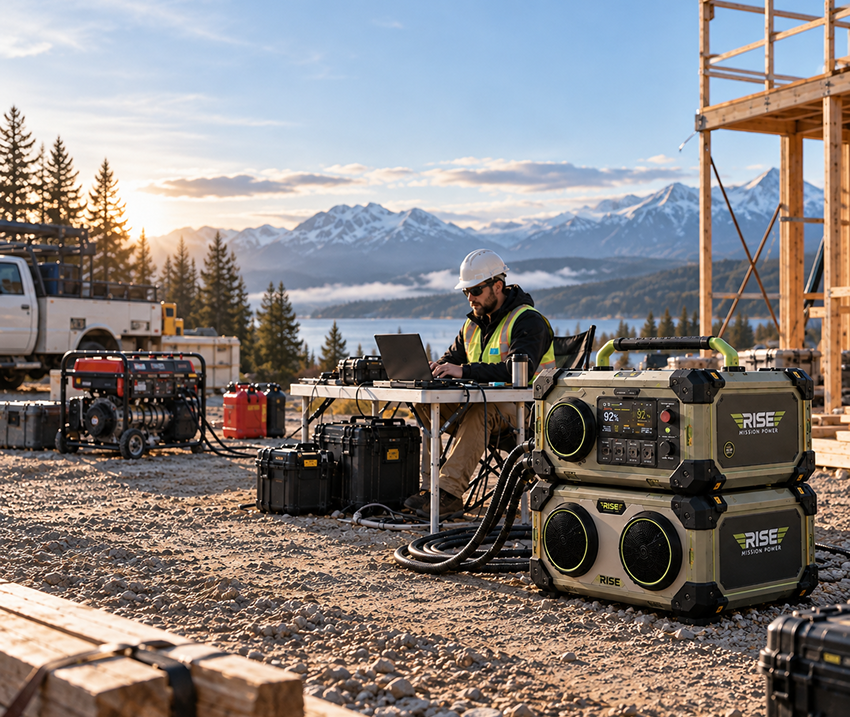
Every watt delivered to the front line has a supply chain behind it. Diesel fuel convoys, battery chargers, generators, spare parts, maintenance teams, fuel bladders, spill kits -- the logistics tail for military power is enormous. Hydrogen fuel cells shrink that tail dramatically.
The U.S. military spends an estimated $400+ per gallon of fuel delivered to forward positions when you factor in transport, security, and casualties. Reducing fuel demand doesn't just save money. It saves lives.
The Current Logistics Burden
A typical infantry company in the field requires:
That's over 1,000 lbs of power-related equipment and consumables per day, not counting the vehicles and personnel to transport it.
- 01
2-4 diesel generators (200-500 lbs each)
- 02
50-100 gallons of diesel per day
- 03
Battery charging station (50+ lbs)
- 04
200+ individual batteries (various types)
- 05
Fuel bladders or jerry cans
- 06
Spill containment kits
- 07
Generator maintenance tools and spare parts
- 08
Trained generator mechanics
Hydrogen vs Diesel Logistics
Energy Density: The Key Metric
The logistics argument for hydrogen comes down to energy per kilogram. Hydrogen carries 33.3 kWh/kg -- roughly 3x the energy density of diesel by weight. Even accounting for fuel cell system efficiency and cartridge packaging, hydrogen delivers more usable energy per pound of logistics burden.
For a 72-hour dismounted patrol powering radios, optics, and tactical devices:
Standardization: One Fuel, Many Platforms
One of the biggest logistics headaches in military power is the variety of battery types and charging requirements. A single platoon might carry AA, CR123, BB-2590, conformal batteries, and proprietary device batteries -- each with different chargers.
Rise Power's Hydrogen Cartridge Kit uses a universal cartridge that works across all Rise Power platforms:
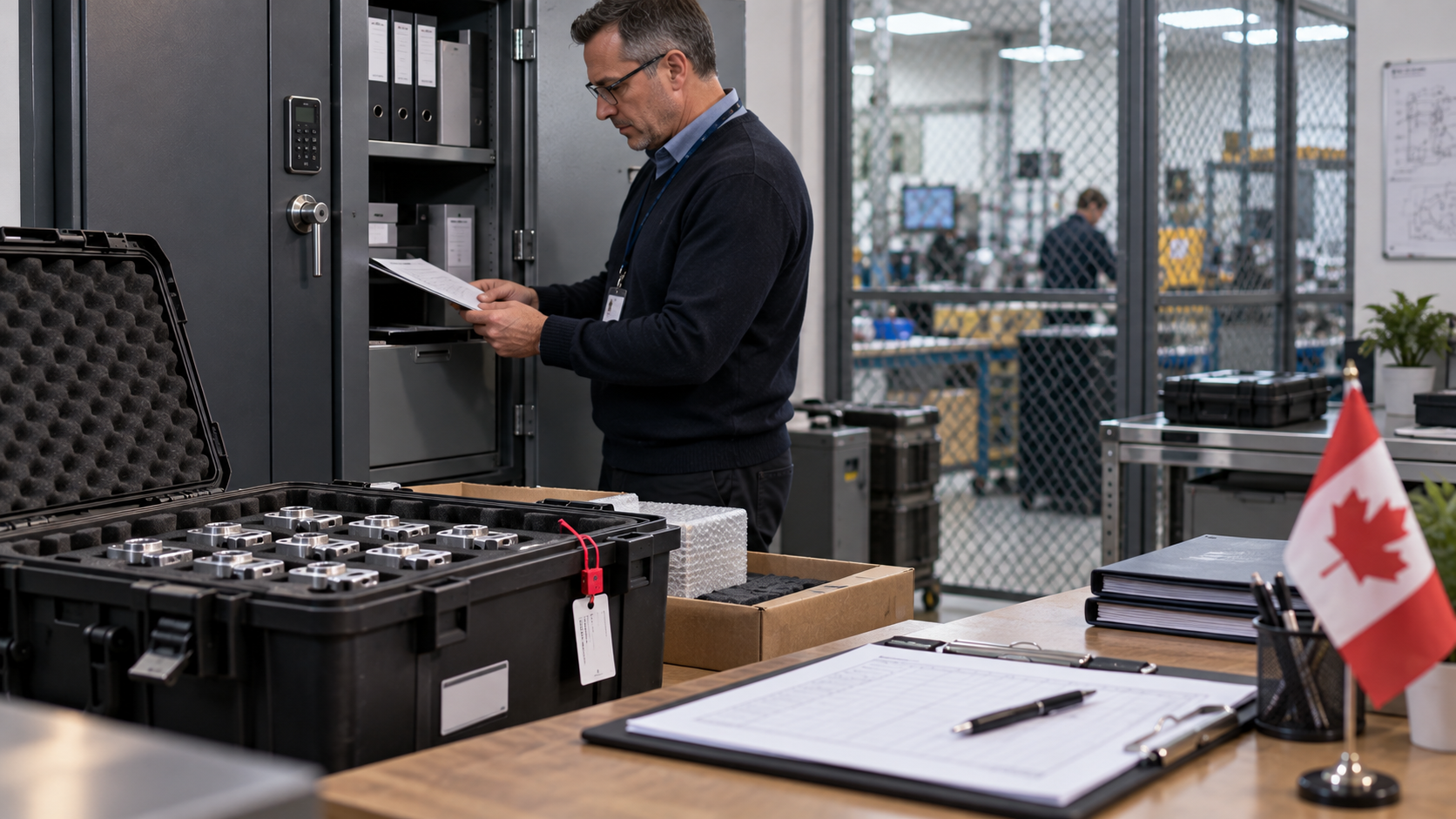
One cartridge type. One supply chain. RFID tracking on every cartridge provides real-time visibility from depot to point of use. No more guessing which batteries are charged, which are dead, and which are somewhere in the supply chain.
- 01
Rise-Sentinel (man-portable, 200W)
- 02
Rise-Falcon (drone range extender)
- 03
Rise-Titan (1.5 kW generator)
Pre-Positioning and Shelf Life
Diesel fuel degrades. Even with stabilizers, stored diesel becomes unusable after 12-18 months. Batteries self-discharge and degrade in storage. This means military stockpiles require constant rotation and replacement.
Hydrogen cartridges maintain full capacity for 15 years. Pre-position them at remote sites, embed them in pre-positioned stock (PREPO), or store them in theater-level warehouses. When needed, they deliver full rated energy regardless of storage duration.
This 15-year shelf life transforms logistics planning. Instead of just-in-time fuel delivery, commanders can pre-stage power at likely operating locations years before a crisis.
Reducing the Convoy Requirement
Fuel convoys are among the most vulnerable elements in modern logistics. In Afghanistan, the U.S. Army estimated one casualty per 24 fuel convoys. Reducing convoy frequency directly reduces risk to personnel.
Hydrogen's superior energy density means fewer resupply trips. A single pallet of hydrogen cartridges replaces multiple pallets of diesel fuel plus the generators, chargers, and batteries that go with it.
Maintenance Simplification
Diesel generators require oil changes every 250-500 hours, filter replacements, belt inspections, and trained mechanics. In austere environments, a broken generator can leave an entire position without power until a mechanic arrives or a replacement is shipped.
Hydrogen fuel cells have no oil, no filters (except a simple air filter), no belts, no spark plugs, and no moving parts in the power generation stack. If a unit fails, swap in a replacement. The failed unit can be repaired at depot level rather than in the field. Learn about Rise Power's support model.
Implementation Roadmap
Phase 1: Special Operations
Equip SOF units with Rise-Sentinel fuel cells for dismounted operations. These units already prioritize weight, noise, and signature reduction.
Phase 2: Observation and Sensor Networks
Replace diesel generators at OPs, remote sensors, and unmanned surveillance sites with Rise-Titan generators and pre-positioned cartridge stocks.
Phase 3: Broader Adoption
Expand to conventional forces as cartridge production scales and per-unit costs decrease. Integrate hydrogen into standard logistics catalogs.
FAQ
How many hydrogen cartridges fit on a standard military pallet?
Cartridge density depends on configuration, but a standard 463L pallet can carry enough hydrogen cartridges for approximately 500+ hours of Rise-Sentinel operation or 100+ hours of Rise-Titan operation. Exact numbers available under NDA. Contact our defence team.
Can hydrogen cartridges be air-dropped?
Yes. Solid-state hydrogen cartridges meet transport classification requirements for air delivery. They can be included in standard Container Delivery System (CDS) bundles.
What RFID system do the cartridges use?
Rise Power cartridges use passive UHF RFID tags compatible with standard military logistics RFID readers. Each cartridge carries a unique ID for tracking manufacture date, energy remaining, and chain of custody.
How does hydrogen compare to JP-8 single-fuel logistics?
The U.S. military's single-fuel policy (JP-8 for everything) simplified logistics but didn't reduce volume. Hydrogen doesn't replace JP-8 for vehicles and aircraft, but it can eliminate the parallel battery and generator logistics chain. The net result is fewer total logistics lines.
What training is required for hydrogen fuel cell operation?
Basic operator training takes under 2 hours. Insert cartridge, press start, connect load. No mechanical aptitude required. Compare that to diesel generator training, which covers fueling procedures, oil checks, fault diagnosis, and safety protocols.
Related